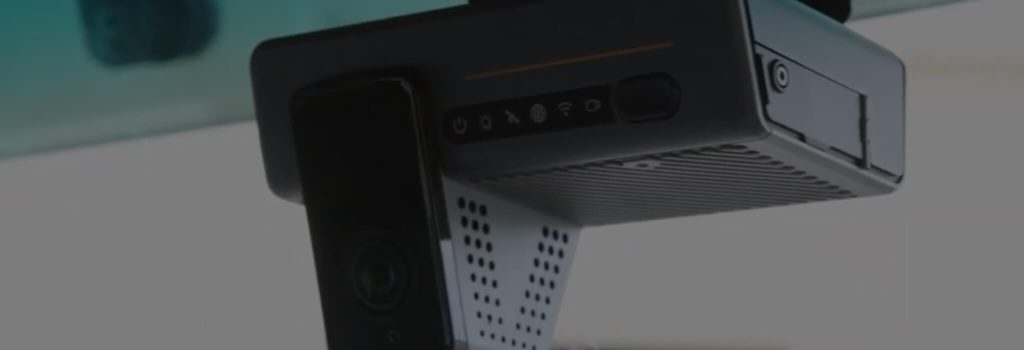
Why Proper Telematics and GPS Installation Matters
When businesses invest in telematics or fatigue camera technology, most of the attention goes to hardware features, software capability and monthly subscription costs. But there’s one critical factor that’s often overlooked and can make or break the entire investment: installation.
You can have the best GPS tracking device or fatigue camera on the market, but if it’s not installed correctly, its performance, reliability and safety benefits are significantly reduced. In our experience at Fleetware, the most common cause of device issues has nothing to do with the technology itself. It comes down to poor installation.
Why Installation Matters More Than You Think
Telematics systems rely on an accurate power supply, correct placement and proper calibration to function as intended. If wiring is rushed, shortcuts are taken, or a device is mounted in the wrong location, it can completely derail the solution.
Something as simple as installing a GPS tracker behind metal can block signal reception, leading to inaccurate data or drop-outs. Incorrect wiring can cause intermittent faults or total failure. Poor camera placement or calibration can impact fatigue detection and driver alerts. All of this undermines the value of the technology and the investment made by the business.
Great Technology Still Needs Correct Fitment
At Fleetware, we pride ourselves on providing reliable hardware, intuitive software and strong ongoing support. But even the best technology won’t perform if it isn’t fitted correctly.
That’s why every piece of hardware goes through a strict QA process before it leaves our office. Each unit is bench-tested to ensure it functions properly before being dispatched. We also include a detailed installation guide with every device, outlining exactly how and where it should be installed.
Accuracy on the road starts with accuracy at installation.
Using Qualified Auto Electricians Makes the Difference
A professional installation is about more than just plugging in a device. It requires an understanding of vehicle systems, electrical loads and the technology being installed.
Fleetware works exclusively with qualified auto electricians across Australia. We aim to use the same trusted installers wherever possible, people who know our products, understand our standards, and consistently deliver quality work.
Once the installation is complete, our team conducts a live QA check with the installer before the vehicle is handed back. This includes confirming power supply, checking GPS signal strength, testing alerts and notifications, activating duress functions, and verifying fatigue camera calibration and alerts. These checks ensure that when the vehicle returns to service, everything works as it should.
Can You Install It Yourself?
Some businesses choose to organise their own installations, and that can work, provided a qualified auto electrician is used and the Fleetware installation and QA process is followed.
The key requirement is that the installer contacts our team to complete the final QA checks. Skipping this step or not following the installation guide significantly increases the risk of faults, unreliable data or devices not performing as expected.
In almost every case where we see issues with devices in the field, the root cause traces back to incorrect installation.
What to Ask Your Telematics Provider
Before choosing a telematics or fatigue management provider, it’s important to ask a few critical questions:
- Who installs the hardware?
- Are the installers qualified auto electricians?
- Is a QA process followed for every installation?
These questions can save time, frustration and unnecessary costs down the track.
Because at the end of the day, reliable data, accurate alerts and safer operations all start with one thing: a proper installation. Not sure about next steps? Get in touch with one of our friendly consultants and find out more today.